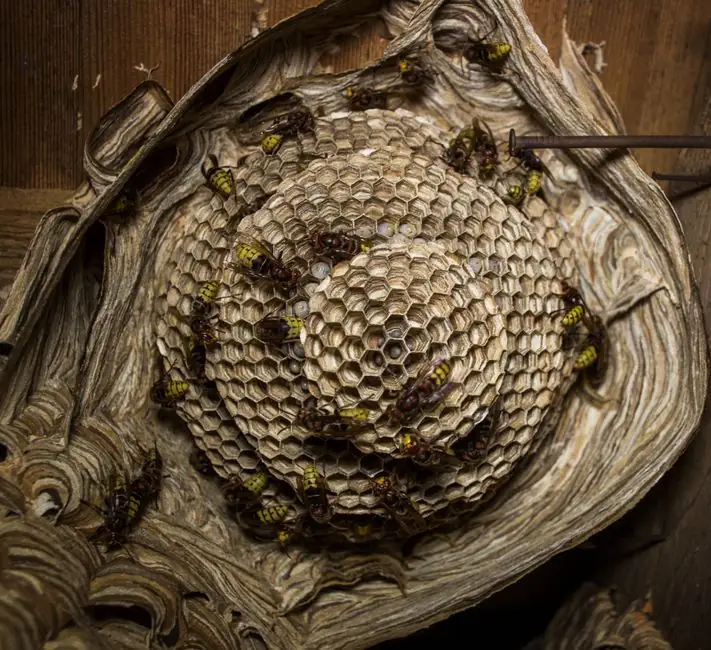
Wasp and hornet infestations can pose significant risks to homeowners in Maine, especially during the warmer months. Understanding how to identify these pests and implement effective control measures is crucial for safety and comfort. This article will explore the types of wasps and hornets found in Maine, identification tips, treatment options, and when to seek professional help.
Understanding Wasps and Hornets
Wasps and hornets belong to the family Vespidae, which includes many species that can be found throughout the United States, including Maine. These insects are known for their painful stings and aggressive behavior when their nests are disturbed. Knowing their behaviors and habitats can help you manage potential infestations.
Common Types of Wasps in Maine
In Maine, several species of wasps are prevalent, including:
- Yellowjackets: These are perhaps the most aggressive wasps and are easily recognized by their black and yellow markings. They often build nests in the ground or in wall cavities.
- Paper Wasps: Known for their umbrella-shaped nests, paper wasps are less aggressive than yellowjackets but can still sting if provoked.
- Bald-faced Hornets: A type of yellowjacket, these hornets are black with white markings and build large, aerial nests. They are highly protective of their nests.
Identifying these wasps is essential for effective wasp and hornet control in Maine.
Identifying Hornets
Hornets are generally larger than typical wasps and have a more robust body. In Maine, the bald-faced hornet is the most common species. Here are a few identification tips:
- Size: Bald-faced hornets can grow up to 1 inch long.
- Color: They have a distinctive black body with white markings on their face and abdomen.
- Nest: Look for large, paper-like nests, often suspended from tree branches or eaves of buildings.
Understanding how to identify hornets can help you determine the best approach for hornet control services in Maine.
Effective Wasp Control Methods
When dealing with wasp infestations, several effective methods can be employed:
- Preventive Measures: Seal entry points around your home to prevent wasps from nesting.
- Traps: Use commercially available traps or homemade solutions to catch wasps before they can establish a nest.
- Professional Removal: For large nests or aggressive species, professional Maine wasp removal is often the safest option.
Implementing these methods can significantly reduce the likelihood of wasp-related incidents.
Hornet Treatment in Maine
When it comes to hornet treatment in Maine, there are specific steps to follow:
- Identify the nest location, preferably during the evening when hornets are less active.
- Use a long-range insecticide spray designed for wasps and hornets.
- Wear protective clothing to avoid stings while treating the nest.
In some cases, it may be necessary to contact a professional service for safe removal and treatment.
Common Mistakes to Avoid
When dealing with wasps and hornets, homeowners often make several common mistakes:
- Attempting to remove nests without proper protective gear.
- Using ineffective home remedies that do not address the problem.
- Ignoring early signs of infestation, which can lead to larger problems.
Avoiding these pitfalls can save time and reduce the risk of stings.
When to Call a Professional
If you encounter a large nest or are allergic to wasp stings, it's best to contact a professional pest control service. Maine Pest Pros specializes in safe and effective wasp and hornet control in Maine. Our trained technicians can assess the situation and provide the best solutions for your home.
Frequently Asked Questions
What types of wasps are found in Maine?
Common wasps in Maine include yellowjackets, paper wasps, and bald-faced hornets. Each species has distinct characteristics and nesting habits.
How do I identify a hornet nest in Maine?
Hornet nests are usually large, paper-like structures found in trees or on building eaves. They are often gray or brown and resemble a football in shape.
What is the best treatment for wasps in Maine?
The best treatment involves identifying the nest and using a targeted insecticide spray. For safety, consider hiring professionals for large infestations.
What should I do if I get stung by a wasp?
If stung, remove the stinger if visible, clean the area, and apply ice to reduce swelling. Seek medical attention if you experience severe reactions.
Can I prevent wasps from returning?
Yes, sealing entry points, reducing food sources, and maintaining clean outdoor spaces can help deter wasps from returning.
Get help with Pest Control in Maine
If you are facing a wasp or hornet problem, don't hesitate to reach out for professional help. Contact us at +18775466119 for effective pest management solutions tailored to your needs.